
The McCallum Bass Classic has not been confirmed through credible public information in the available research, which means anglers, families, volunteers, and local sponsors should treat any event details as unverified until an organizer, venue, school, club, or sanctioning body publishes clear information. The available research did not confirm a date, lake, launch site, registration process, divisions, weigh-in format, entry fee, conservation rules, or contact person. That does not prove the event does not exist. It does mean responsible coverage has to start with what is known: the public record provided here is thin, and no high-authority source has confirmed the event details as of Nov. 9, 2026.
What Is Confirmed About The McCallum Bass Classic
The confirmed reporting point is narrow but important: credible information about an event under this exact name was not found in the supplied research. The research notes state that no high-authority sources confirmed the existence or details of the event, and that the event could be new, local with low publicity, or listed under a slightly different name. For a fishing event, that distinction matters because tournament planning depends on exact information, not word of mouth.
Why McCallum Bass Classic Details Need Verification
A bass tournament is not just a date on a flyer. It usually involves safe launch planning, parking, boat traffic, weigh-in timing, youth or adult divisions, fish-care expectations, volunteer assignments, and local business coordination. Without verified event information, anglers cannot responsibly plan travel, families cannot plan attendance, and community partners cannot know whether they are supporting an official event or an informal gathering.
The same caution applies to coverage. Calling the McCallum Bass Classic upcoming, active, sanctioned, or open for registration would go beyond the facts provided. No event date was confirmed. No host lake was confirmed. No official organizer was confirmed. No results were available. Until those basic items are published by a credible source, the most accurate sports-first framing is that the event remains unverified in the available record.
What Anglers Should Not Assume
Anglers should not assume that a tournament has the same rules as another local event, even if the name sounds familiar or the community is used to seasonal bass gatherings. Different bass tournaments can vary on launch procedure, livewell checks, number of anglers per boat, legal fish length, artificial-lure rules, youth participation, weigh-in method, and whether the event is catch-photo-release or live weigh-in. None of those details were confirmed for this event in the research supplied.
Why Verification Matters For Anglers And Volunteers
Local bass events often work best when the sports side and the community side are aligned. That begins with accurate information. A confirmed tournament notice should tell anglers where to launch, when registration opens, how teams are formed, what species or divisions count, and who handles questions. It should also explain weigh-in timing, parking expectations, and any conservation requirements tied to fish handling.
For volunteers, verified information is just as important. A weigh-in crew needs to know when boats return. Parking helpers need a real traffic plan. Youth volunteers need adult supervision and a defined schedule. Local businesses need dates before they can prepare bait, ice, food, fuel, lodging, or sponsorship materials. When details are missing, even a well-intended event can create confusion around the ramp and at the weigh-in site.
The Sports Stakes Are Practical
The competitive side of bass fishing runs on fair notice. Anglers prepare tackle, electronics, boat systems, safety gear, and practice schedules around the rules of a specific tournament. A lake with slot limits, a team format, or a short weigh-in window can change strategy. Without confirmed details, there is no reliable way to analyze the field, the expected pattern, or the tournament format.
This is why the McCallum Bass Classic should be treated as an event name needing confirmation rather than a fully documented tournament. That approach protects anglers from making plans on weak information and protects local organizers from having unofficial details spread before they are ready to publish them.
How Local Fishing Events Build Community Trust
Even though this specific event is not confirmed in the supplied research, the community value of verified fishing events is well established at the local level. Fishing tournaments can bring families to launch areas, give young anglers a structured entry point into competition, and create shared gathering points around a weigh-in. Texas Sportsmen has covered how local fishing events connect tournament competition with spending, stewardship, and shared public space.
That community connection depends on trust. A posted event should make it clear who is responsible, where funds go if there is a fundraiser component, and how participants can ask questions. Local sponsors, school groups, churches, civic clubs, and tackle shops all benefit when a tournament notice is specific and easy to verify. A short, official event page can do more for community confidence than a chain of reposted screenshots.
Community Calendars Still Need Source Checks
Community calendars and regional listings can help smaller events reach more people, but they should point back to an official organizer or venue contact. Websites like Efficient Directory showcase the importance of having clear names, dates, and contact details in an environment that values verified listings. For a fishing event, the listing itself is only useful if the tournament information can be traced to a real organizer.
That is especially true for low-publicity events. A local club may operate mostly through direct messages, school announcements, printed flyers, or a small community page. Those channels can be valid, but for public reporting, the key facts still need confirmation. The available research did not supply that confirmation for the McCallum Bass Classic.
Practical Checklist For Any Confirmed Event Notice
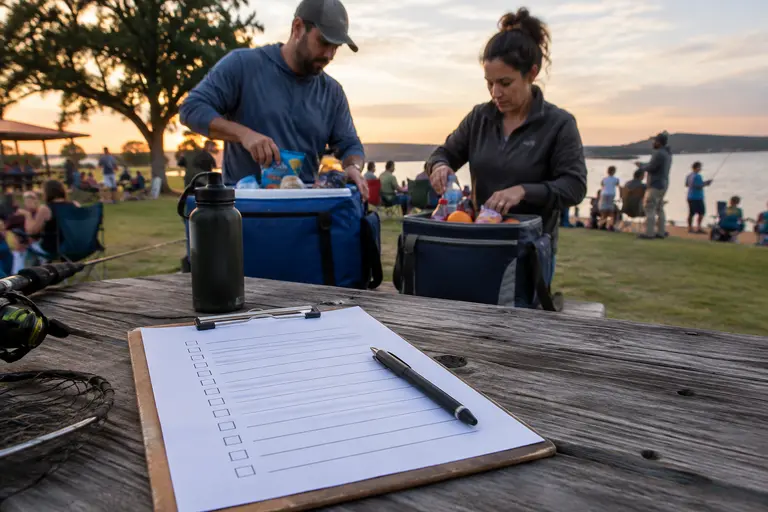
If an official announcement is released, anglers and local supporters should look for a few core details before making plans. This is not a claim that these details already exist for the event. It is a checklist for separating a confirmed tournament notice from an incomplete mention.
- Official event name, organizer name, and a direct contact method.
- Exact date, launch site, lake or waterbody, registration deadline, and start time.
- Entry fee, payout or fundraiser structure, divisions, and eligibility rules.
- Fish-handling format, weigh-in time, legal-size requirements, and safety expectations.
- Parking plan, volunteer needs, sponsor information, and public attendance guidance.
Those items allow anglers to prepare without guessing. They also allow reporters to cover the event accurately. If a date has already passed, coverage should shift to results, participation, community turnout, and lessons from the event. If a date is in the future, coverage can preview the field, format, and local impact. At this stage, neither approach is supported because the core event information was not confirmed in the supplied research.
How Organizers Can Reduce Confusion
For any group connected to the event name, the simplest fix is to publish one official notice with complete details and keep it updated. That notice should identify the organizer, name the body of water, list the rules, and provide one primary contact. If the event name has changed or if it is listed under a school, club, memorial, or sponsor name, that should be stated clearly so anglers can find the correct information.
Clear communication also helps with safety. Bass tournaments can increase ramp activity early in the morning and again near weigh-in. Confirmed schedules give the community a chance to plan around that traffic and help families understand where they can gather without getting in the way of boats, trailers, and tournament staff.
McCallum Bass Classic And Local Tradition
The most accurate way to discuss the McCallum Bass Classic right now is as an unconfirmed event name tied to a topic that matters to local fishing communities. Bass tournaments can celebrate tradition, connect generations of anglers, and give towns a reason to gather around the water. But tradition still needs documentation when people are being asked to plan, compete, volunteer, or support an event.
As of Nov. 9, 2026, the supplied research did not confirm the tournament’s existence, schedule, location, or organizer. That should not close the door on the event. It should set the standard for the next step. If an official source provides verified details, coverage can move from caution to event reporting, with attention on the anglers, the format, the host community, and the role the tournament plays in local fishing culture.
Until then, the responsible position is simple: celebrate the possibility of a local bass tradition, but do not present unconfirmed information as fact. Anglers deserve clear tournament details, volunteers deserve a real plan, and communities deserve event coverage that protects trust as much as it promotes participation.