
The Rollover Pass Pier has become one of the most closely watched fishing-access projects on the upper Texas coast because it addresses a real sports need: bank anglers on Bolivar Peninsula lost a heavily used shore and bulkhead fishing spot when Rollover Pass was filled in 2019. As of November 12, 2026, the July 2026 target date had already passed, and the project’s contract window pointed to December 2026 if no further delays occurred beyond contractor or Texas General Land Office control. For local fishermen, the value is simple but big: a long Gulf-facing platform, more practical facilities, and a clearer path back to public saltwater access.
Rollover Pass Pier Benefits For Shore Anglers
Why The Rollover Pass Pier Matters
The original pass carried meaning for generations of anglers because it put fishermen close to moving water between the Gulf of Mexico and East Bay. The pass was also tied to major sediment and shoreline issues, and the state closed it in 2019. The new project does not reopen that cut. Instead, it builds a fishing-focused replacement with a 1,000-foot-long T-head pier extending into the Gulf.
The Texas General Land Office said construction broke ground on March 27, 2025, as part of the Rollover Pass Project, which includes the pier, Bayside Park, and restorations to the Lauderdale Boat Ramp and Dock. The same announcement described the pier as concrete, lighted, and fully handicap accessible, with fish and oyster habitat restoration in nearby bay systems and estuaries included in the broader work GLO project details.
That matters for the way Texas coastal fishing actually works. Not every angler owns a boat. Not every family can run the bay, cross open water, or plan a full launch day. A public pier gives waders, kids, older anglers, and visitors a safer fixed platform where they can fish the surf zone and Gulf-facing water without needing a boat.
Access Restored After The 2019 Closure
The Rollover Pass Pier is not just a new structure. It is a replacement for an access point that had been part of the local fishing routine before the pass was filled. Fishermen who used the old shorelines and bulkheads lost a convenient place to target redfish, croaker, speckled trout, Spanish mackerel, flounder, and other coastal species historically associated with the area.
No public source in the research provided a firm catch forecast for the new structure, so the fairest analysis is access-based rather than catch-based. The project should expand opportunity, but it does not guarantee any species on any given day. Wind, water clarity, tides, bait movement, and seasonal timing will still decide the bite.
Project Timeline And Access Features
Dates Anglers Can Actually Use
For fishermen planning around the project, the calendar needs to be stated clearly. Construction broke ground on March 27, 2025. The pier had been targeted for completion in July 2026. That date passed before November 12, 2026. Reported delays, including damage from Hurricane Beryl in July 2025, pushed the contract deadline to December 2026 if no further delays occurred beyond contractor or GLO control. Texas Sportsmen has also tracked the year-end marker in its coverage of the Bolivar fishing pier delay.
That timing is important for the local fishing community because access planning affects bait shops, lodging, restaurants, tackle purchases, and weekend fishing routines. A pier opening is not only a ribbon-cutting event; it changes where people stage their trips, where they buy bait, and how often families can fish without hiring a guide or launching a boat.
How The Rollover Pass Pier Is Built
The 1,000-foot T-head design is the feature that will draw the most attention from anglers. Length matters because it gives fishermen more room to spread out, more reach toward Gulf water, and more options during changing wind and tide conditions. A T-head also creates fishing space at the end of the pier, which can be valuable when bait, current, or clearer water sets up near the outer section.
- Concrete, lighted pier construction designed for Gulf access.
- Fully handicap accessible pier design as described by the GLO.
- Bait shop, fish-cleaning station, visitor parking, vendor stands, restrooms, shade structures, and dune walkover listed in local project reporting.
- Lauderdale Boat Ramp and Dock renovation included in the broader project.
- Bayside Park and habitat restoration work tied to the same public investment.
Those features do not replace local knowledge, but they reduce friction. A fish-cleaning station helps after legal harvest. Restrooms and shade matter for families. Lighting can expand safe-use windows, subject to posted rules and opening details. Parking determines whether the pier feels usable on busy coastal days.
Local Fishing Benefits Without A Boat
What Pier Access Changes For Redfish Anglers
For pier anglers, the Rollover Pass Pier creates a different kind of redfish setup than the old pass. The old location was known for water exchange, bank access, and bulkhead fishing. The new pier reaches into the Gulf, so fishermen will be reading surf color, bait presence, wind direction, wave energy, and tide movement from a fixed platform.
That does not make the fishing simpler. It makes it more reachable. A local angler can carry shrimp, cut bait, crab, spoons, soft plastics, or other legal tackle setups and work a public pier rather than waiting on a boat trip. Families can split time between serious fishing and a shorter visit. Visitors can participate in the Bolivar fishing scene without trailering gear across the peninsula.
Species Expectations Stay Grounded In Past Use
Historical species tied to the Rollover Pass area included redfish, croaker, speckled trout, Spanish mackerel, flounder, and other coastal fish. The key word is historical. The research supports that these species were common in the area, but it does not support a specific prediction that the new pier will produce them at a certain rate.
That distinction matters to sports-minded anglers. Good infrastructure creates opportunity. Fish behavior still answers to conditions. A long, lighted, accessible Gulf pier gives fishermen a platform for adapting to those conditions, but the best days will still belong to those who read bait, water color, tide flow, and pressure from other anglers.
Business And Shoreline Effects Around Bolivar
Why Amenities Matter For A Fishing Day
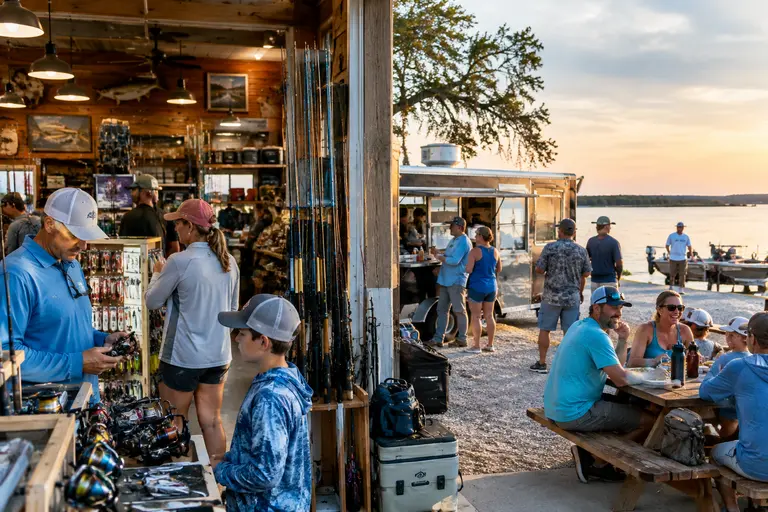
Local reporting listed landside amenities such as a bait shop, fish-cleaning station, visitor parking lot, dune walkover, vendor stands, restrooms, and shade structures at the site Crystal Beach project report. Those details matter because a fishing trip often depends on more than the cast itself. Anglers need bait, ice, tackle, food, fuel, a place to park, and a place to clean fish legally after a successful day.
That type of access can help Gilchrist and Crystal Beach businesses tied to fishing traffic. The research supports benefits for bait shops, lodging, food vendors, and other support services. It does not provide a confirmed dollar projection for the local economy, so the responsible read is that the pier should increase fishing-related traffic potential without assigning an invented revenue number.
For readers interested in more local updates and community highlights, noticiasbo.com provides related coverage, offering regional context beyond the fishing stories.
Environmental And Cost Goals Around The Project
The GLO described environmental goals that include restoring fish and oyster habitats in nearby bay systems and estuaries, improving salinity balance, limiting sand and sediment accumulation, and reducing shoreline erosion tied to the old pass. The research also states that taxpayers had been paying $600,000 to $1 million annually in dredging costs for the Gulf Intracoastal Waterway because sand and sediment built up due to Rollover Pass before it was closed.
For fishermen, those details connect access to long-term water and shoreline management. The project is not only about putting a rail over the Gulf. It is also part of a public effort to manage sediment, access, habitat, and recreation around a place that carried both fishing value and maintenance costs.
Rollover Pass Pier And Local Fishermen
The Rollover Pass Pier stands out because it answers a specific problem with a specific fishing facility. Anglers lost one of the best-known public fishing points on Bolivar Peninsula when the pass was filled in 2019. The new 1,000-foot T-head pier, Bayside Park, Lauderdale Boat Ramp and Dock work, and landside amenities are designed to put public access back into the local routine.
The most grounded expectation is not that every trip will produce redfish, trout, mackerel, flounder, or croaker. The grounded expectation is that fishermen should gain a major public platform where boat ownership is not required. In a coastal community where bait shops, family trips, weekend visitors, and local anglers all meet at the water, that access is the real benefit. If the December 2026 contract marker holds, the next chapter for this site will be measured in rods along the rail, coolers at the cleaning table, and local fishermen getting back to work on the Gulf side of Bolivar.