
The Leander Sports Complex plan is a sports story first, but it also matters to anglers who track how youth tournaments, park traffic, family travel, and local access shape a town’s outdoor rhythm. As of November 17, 2026, the approved agreement has not produced a completed venue or a confirmed fishable lake on the site. What it has done is set a timeline for a major athletic development that could sit beside Leander’s existing outdoor recreation base, including Devine Lake Park and Lakewood Park.
What The Leander Sports Complex Agreement Approved
Council Action And Site Details
In September 2026, Leander City Council approved a Letter of Intent with CenTex Sports for a 40-acre sports and entertainment facility at 204 Heritage Grove Road. The city’s notice said Phase 1 carries a $55 million investment and includes a 150,000-square-foot-plus indoor sports complex, a covered track, four beach volleyball courts, and two soccer fields, according to the city notice.
For local sports families, that is the lead item: indoor court and field space can change how tournaments are scheduled, how practices are handled during extreme heat, and how youth and adult leagues use weekends. For fishing families, the key is not that the complex replaces lake time. It is that a larger sports calendar can bring more families into town who may also look for a half-day outdoors before or after games.
Leander Sports Complex Timeline For Teams
The confirmed schedule gives the project a long runway. Phase 1 must begin construction on or before December 31, 2027, and be completed by December 31, 2028. Phase 2 is planned to add at least four baseball or softball fields and one more soccer field, with construction required to begin by December 31, 2029, and finish by December 31, 2030.
- Phase 1: indoor sports space, covered track, beach volleyball, and two soccer fields.
- Phase 2: at least four baseball or softball fields plus one added soccer field.
- Status on November 17, 2026: the project was approved through an LOI, but Phase 1 had not yet reached its required construction deadline.
That timeline matters for anglers because any effect on fishing traffic, hotel use, park crowding, or city recreation planning should be treated as future impact, not present-day reality. The existing fishing opportunities in Leander remain the practical starting point.
Why The Project Matters For Anglers
Fishing Parks Already Carry The Outdoor Side
Leander already has park-based fishing assets. Devine Lake Park is listed in the research notes as a 45.5-acre park with a fishing lake. Lakewood Park is listed as a 125-acre park with a fishing lake, fishing pier, boardwalk, and kayak or paddleboard rental access. Those places are the current fishing anchors for families who want a quick local trip rather than a full run to a large reservoir.
The new facility’s confirmed plans do not list a fishable lake as part of the project. That point should stay clear. The potential fishing connection is indirect: more sports travel can create more demand for nearby parks, clearer wayfinding, well-kept day-use areas, and family-friendly recreation options between games. None of those park improvements has been confirmed as part of the LOI, but they are the kinds of needs city leaders and residents often discuss as sports traffic grows.
Family Schedules Could Create Fishing Windows
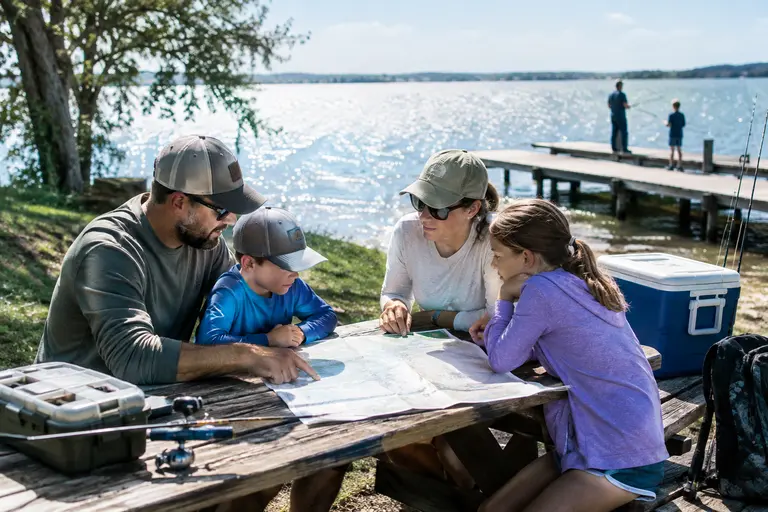
Tournament families rarely spend every minute at the field. A morning soccer match, a midafternoon break, or a Sunday checkout window can leave time for bank fishing, a walk along a pier, or a short paddle. That is where Leander’s existing lakes can fit into a sports weekend without turning a tournament trip into a full outdoor vacation.
As an angler, I see the value in that kind of blended day. A parent can pack a compact rod, a small tackle tray, and a valid Texas fishing license, then build a low-pressure stop around the game schedule. That does not require a trophy-bass mindset. It requires clean access, safe parking, clear rules, and realistic expectations.
Community Activity And Sports Tourism
Visitor Projections Need Practical Planning
The project is also a sports-business play. The Austin Business Journal reported that full build-out investment estimates range from $100 million to more than $145 million and that the facility is expected to draw about 800,000 visitors annually once operational, according to the Austin Business Journal.
Those numbers explain why anglers should pay attention even if they never play volleyball, soccer, baseball, or softball. A venue that attracts regional tournaments can change weekend traffic patterns around restaurants, hotels, gas stations, parks, and main corridors. If families are already in town for sports, some will look for nearby outdoor options. That can put Leander’s fishing parks in a stronger position as part of the visitor routine.
Local Programming Has A Community Angle
The research notes say developers intend to include public education, wellness, and community programming. It is not confirmed that those programs will include fishing, fish habitat, water education, or youth angling. Still, the presence of community programming creates a natural place for local groups to ask for outdoor connections that fit Leander’s parks.
That could mean future clinics about park stewardship, water safety, trail etiquette, or family recreation planning. Any fishing-specific program would need confirmed partners, dates, and rules before it should be treated as news. For now, the confirmed point is simpler: the development is being framed as more than just a set of fields, and that gives residents a reason to stay engaged in public discussions.
Families who follow both field sports and outdoor recreation can also discover connected community insights at Back2Tap, a site in the same network.
Access And Fishing Trip Planning
Roads, Signs, And Park Pressure
Because the Leander Sports Complex has not opened, anglers should avoid assuming new roads, signs, park upgrades, or conservation dollars are guaranteed. Those outcomes depend on future city action, funding priorities, and measured public demand. The better way to read the project is as a pressure point. If sports tourism grows, the case for clear park access and better visitor information may grow with it.
That same issue shows up across fishing communities. Boat ramps, parking areas, weigh-in zones, bank access, and pedestrian safety all become more important when crowds increase. Texas Sportsmen has covered how fishing tournament infrastructure affects access and planning, and the same basic lesson applies here: sports facilities work best when surrounding recreation spaces are planned with real users in mind.
Keep Fishing Plans Grounded In What Exists
For anglers planning a Leander stop on November 17, 2026, the practical fishing options are the existing parks, not the future complex. Devine Lake Park and Lakewood Park are the places named in the research notes for current lake access. The sports project may influence future visitor habits, but it does not change today’s fishing regulations, fish behavior, or park rules.
That matters for expectations. A sports family should not arrive assuming tournament crowds have already produced new fishing amenities. A local angler should not assume the future venue will hurt fishing access, either. The facts sit in the middle: a large sports project has been approved through an LOI, a phased construction schedule has been set, and Leander already has park lakes that serve the outdoor side of community life.
Leander Sports Complex And Local Fishing
The Practical Read For Anglers
The Leander Sports Complex plan gives the city a chance to connect field sports, family travel, and local outdoor recreation in a more intentional way. The strongest confirmed impact today is the sports schedule: indoor space, field development, and phased construction deadlines. The fishing impact is less direct, but it is worth watching because park lakes often become part of how families fill time around tournament weekends.
For community-minded anglers, the right approach is to stay factual and stay involved. Support clear park signs. Ask for safe access. Respect fishing rules at Devine Lake Park and Lakewood Park. Encourage youth sports families to treat local waters with care. If the project reaches its planned construction milestones, Leander can use that sports traffic to strengthen its broader recreation identity without pretending the new complex is a fishing venue.
That is the honest link between the fields and the water. The complex is a future sports hub. The lakes are already part of daily community life. If Leander connects those pieces well, families can leave town remembering both the games they played and the quiet casts they made between them.