
The sweeping landscapes of the Lone Star State—from the arid, high-altitude ranges of the Trans-Pecos to the dense, humid thickets of the Pineywoods—are home to some of the most diverse ecosystems in North America. Preserving these wild spaces is a monumental task that requires funding, dedication, and intensive on-the-ground management. While the general public widely enjoys these natural resources, the heavy lifting of wildlife conservation is disproportionately funded and executed by a specific demographic: Texas sportsmen. Hunters and anglers have historically served as the cornerstone of environmental stewardship, proving that the ethical harvest of game and fish is inextricably linked to the prosperity of the species themselves.
This deep-rooted commitment to the land is not a modern phenomenon, but a foundational element of the North America Model of Wildlife Conservation. This model operates on the principle that wildlife is a public trust resource, managed scientifically for the benefit of all. In Texas, a state that proudly boasts over one million licensed hunters and even more recreational anglers, the cultural connection to the outdoors is profound. In 2015, this heritage was legally cemented when voters overwhelmingly passed Senate Joint Resolution 22, adding the constitutional right to hunt, fish, and harvest wildlife to the Texas Constitution. This legislative milestone underscored the intrinsic value of outdoor recreation, ensuring that wildlife management remains tethered to the people who interact with it most directly.
The Financial Engine of Texas Conservation
The mechanics of modern wildlife management are highly complex and undeniably expensive. The Texas Parks and Wildlife Department (TPWD) is tasked with enforcing regulations, operating hatcheries, maintaining public lands, and conducting biological surveys. Unlike many other government agencies, TPWD’s wildlife division operates primarily on a user-pays, user-benefits model. The purchase of every hunting license, fishing license, and migratory bird stamp directly funds state conservation efforts. Without this annual influx of specialized revenue, habitat restoration projects would grind to an immediate halt.
Beyond state license sales, hunters and anglers drive conservation through federal mechanisms, primarily the Pittman-Robertson Wildlife Restoration Act of 1937 and the Dingell-Johnson Sport Fish Restoration Act of 1950. These acts impose a federal excise tax (typically 10 to 11 percent) on the sale of firearms, ammunition, archery equipment, fishing tackle, and boat fuel. The federal government collects these funds and redistributes them to state wildlife agencies based on geographic size and the total number of licensed sportsmen within the state. Because Texas ranks among the highest in the nation for license sales and land mass, it is a primary beneficiary of these funds. Millions of dollars return to the state annually to purchase public land, conduct research on declining species, and build public boat ramps. Every time a Texas hunter purchases a box of shotgun shells or a new deer rifle, they are making a direct financial contribution to the state’s ecological health.
Wildlife Management Areas as Stewardship Hubs
To witness the tangible results of sportsmen-funded conservation, one only needs to visit the expansive network of Wildlife Management Areas (WMAs) scattered across the state. Encompassing well over a million acres, these state-owned and leased properties are not merely public hunting grounds; they are active laboratories for ecological research and habitat restoration. Biologists utilize WMAs to implement prescribed burning, mechanical brush clearing, and grazing rotations—techniques designed to mimic historic natural disturbances that keep ecosystems robust and diverse.
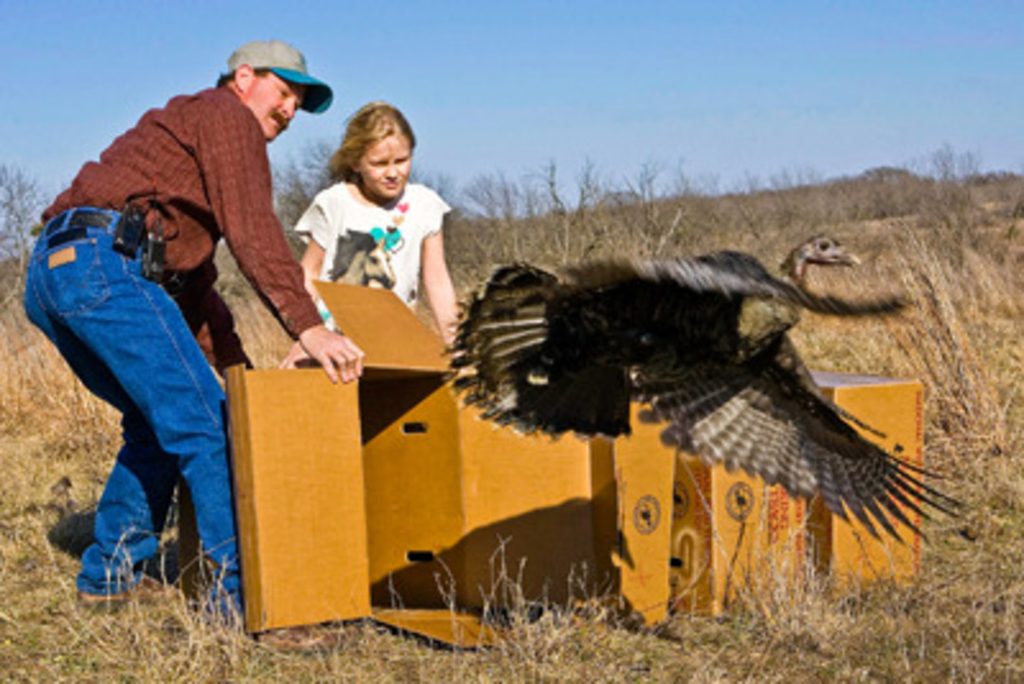
These areas provide crucial sanctuaries for species that require highly specific habitats, many of which were historically threatened by commercial over-harvesting or agricultural expansion prior to the modern conservation era. Today, the management practices honed on these public lands are frequently shared with private landowners, multiplying the conservation impact across the state. Access to many of these premier WMAs is granted through the Annual Public Hunting (APH) Permit or the specialized Big Time Texas Hunts draw system, ensuring that the revenue generated by access directly supports the specific property’s maintenance.
| Wildlife Management Area | Geographic Region | Target Conservation Focus | Primary Access Method |
| Elephant Mountain WMA | Trans-Pecos | Desert Bighorn Sheep, Mule Deer | Special Draw System |
| Gus Engeling WMA | Post Oak Savannah | Eastern Wild Turkey, White-Tailed Deer | Annual Public Hunting Permit |
| Justin Hurst WMA | Gulf Coast | Mottled Ducks, Snow Geese, Coastal Marsh | APH Permit / Special Draw |
| Matador WMA | Rolling Plains | Bobwhite Quail, Rio Grande Turkey | Annual Public Hunting Permit |
Front-Line Defense Against Invasive Species
Invasive species pose a severe, compounding threat to Texas ecosystems by outcompeting native flora and fauna, disrupting food webs, and physically altering the landscape. Because sportsmen are intimately familiar with the backwaters, brushlands, and remote corners of the state, they frequently serve as the first line of defense and early detection in the fight against these ecological invaders.
State agencies rely heavily on the vigilance and cooperation of the hunting and angling community to mitigate the spread and impact of non-native threats. This involves both active population control through targeted harvesting and passive prevention through strict adherence to decontamination protocols.
- Feral Hogs: An apex invasive species in Texas, feral hogs cause over $500 million in agricultural and environmental damage annually. They aggressively root up native pastures, destroy ground-nesting bird habitats, and muddy clear watersheds. Hunters provide the primary means of population control through year-round trapping and hunting efforts.
- Aquatic Nuisance Vegetation: In East Texas lakes, giant salvinia can double in size in a matter of days, creating dense mats that block sunlight, deplete oxygen, and ruin waterfowl habitat. Waterfowl hunters and anglers combat this by strictly following “Clean, Drain, and Dry” mandates to prevent transporting spores on boat trailers and decoys.
- Zebra Mussels: These tiny mollusks devastate aquatic food chains by filtering out essential phytoplankton. Anglers are critical in slowing their spread between watersheds by thoroughly inspecting and draining their livewells and bilges.
Citizen Science Through Harvest Reporting
Effective wildlife management requires massive, continuous data collection, a logistical hurdle that state biologists cannot clear alone. Consequently, hunters and anglers have been enlisted as active citizen scientists. By submitting harvest data, sportsmen provide biologists with real-time indicators regarding the health, distribution, and age structure of various game populations.
The “My Texas Hunt Harvest” application has streamlined this process, allowing hunters to digitally log their field successes immediately. This data directly influences how the state sets bag limits, antler restrictions, and season dates for the following year. Furthermore, hunters play an absolutely critical role in the state’s biological surveillance efforts, most notably in the ongoing management of Chronic Wasting Disease (CWD).
CWD is a fatal neurological disease affecting cervids, including white-tailed and mule deer. To track the prevalence and geographic spread of the disease, TPWD mandates that hunters who harvest deer in designated CWD containment zones bring their animals to official check stations for tissue sampling. Without the compliance and physical samples provided by hunters, tracking the edge of the disease’s spread would be biologically impossible. This cooperative relationship ensures that outbreaks can be isolated and managed before they decimate localized deer herds.
Sustaining the Texas Sporting Heritage
The narrative of wildlife conservation in Texas is a story of continuous, collaborative effort. The vibrant flocks of Rio Grande turkeys, the thriving populations of largemouth bass in local reservoirs, and the astonishing recovery of the desert bighorn sheep are not historical accidents. They are the direct, measurable results of deliberate management policies funded and executed by dedicated outdoorsmen and women.
As the state’s population continues to boom and urban sprawl consumes rural acreage, the role of the sportsman as a conservationist becomes increasingly critical. Protecting these resources requires more than just biological science; it requires the cultural transmission of ethical stewardship. By mentoring new hunters, advocating for public land access, and continuing to fund state agencies through license and gear purchases, Texas sportsmen ensure that the wild pulse of the state remains strong. The legacy they are building today guarantees that the sun will continue to rise over healthy, abundant Texas landscapes for generations to come.