
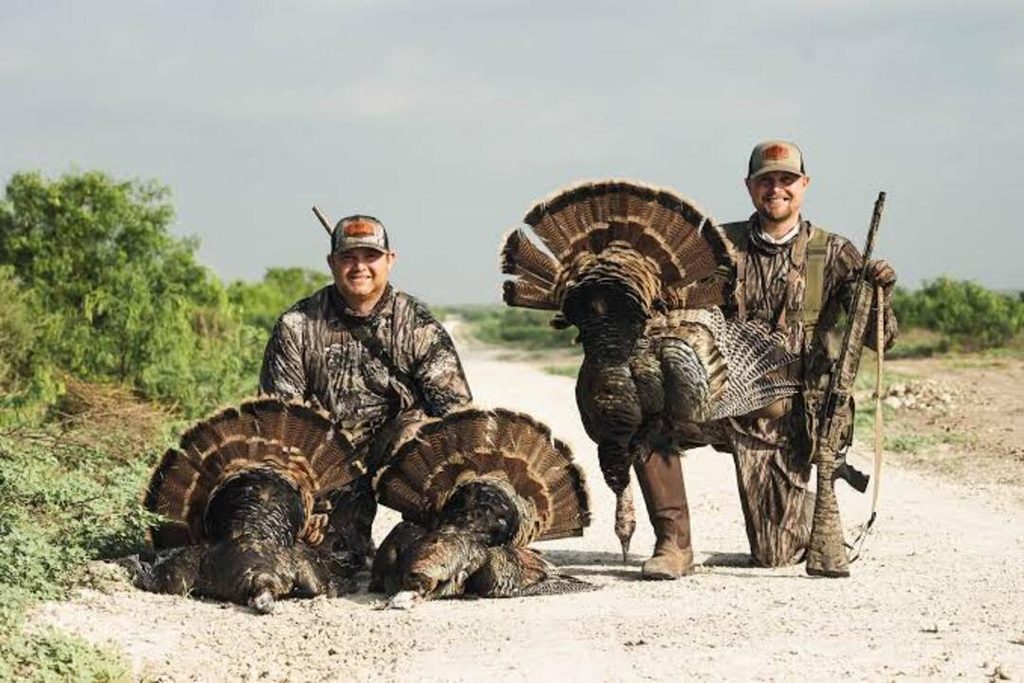
When the first mesquite buds begin to open and the bluebonnets wash the landscape in vibrant color, an unmistakable sound echoes through the river bottoms and limestone canyons of the Lone Star State. The booming gobble of the Rio Grande wild turkey signals the arrival of the spring hunting season. Texas boasts the largest population of Rio Grande turkeys in the world, drawing Texas sportsmen and out-of-state hunters alike to iconic regions such as the Edwards Plateau, the Rolling Plains, and the dense thornscrub of South Texas. Securing a mature tom requires a nuanced understanding of regional biology, shifting weather patterns, and the tactical deployment of calls and decoys.
The state is neatly divided into North and South zones for the spring season, effectively staggering the opening days to align with localized breeding periods. While bag limits vary by county—frequently allowing up to four birds annually across combined seasons—hunters must navigate heavily pressured public lands and vast, heavily managed private ranches. Understanding the behavioral nuances of these birds throughout the changing phases of the spring rut is the key to punching a tag.
Understanding the Texas Rio Grande Turkey Population
Texas currently supports an estimated population of over 500,000 Rio Grande turkeys. The Texas Parks and Wildlife Department meticulously tracks these flocks, managing harvest limits based on yearly hatch success and brood survival rates. The Edwards Plateau, encompassing legendary hunting counties like Gillespie, Kerr, and Llano, serves as the undeniable epicenter of this population. Here, the intersection of rugged terrain, reliable water sources, and abundant mast crops like live oak acorns creates a perfect incubator for large flocks.
However, the Rio Grande subspecies behaves distinctly from its Eastern cousins found in the Pineywoods. Rios are notorious travelers. Because water and roosting trees are often scarce in the arid western and southern regions of the state, flocks frequently walk several miles a day, transitioning between roosting sites along creek drainages and daytime feeding areas in the open scrub. A hunter who fails to pattern this vast daily travel circuit will often find themselves calling to empty pastures by mid-morning.
Early Season Scouting and Roost Identification
Success in the Texas spring turkey woods is frequently decided before the season ever officially opens. The most critical component of early-season scouting involves identifying active roosts. In the Rolling Plains and Panhandle regions, where towering timber is exceptionally sparse, massive cottonwood trees along dry riverbeds serve as generational roosting sites. In the Hill Country, tall pecan trees and mature live oaks bordering perennial creeks are the primary targets.
Scouting involves slipping into these drainages under the cover of darkness and utilizing a shock call—such as a barred owl hoot or a coyote howl—to elicit a reactionary gobble from a sleeping tom. Once a roost is pinpointed, hunters must resist the urge to set up directly beneath the tree. Pushing too close risks spooking the entire flock in the dark, which can cause the birds to abandon that specific roosting site for weeks. The optimal strategy is to identify the flock’s primary fly-down area—typically a nearby clearing or gently sloping ridge—and establish a concealed ground blind or brushed-in position 100 to 150 yards away from the roost tree.
Decoy Strategies for Public and Private Lands
The visual nature of the Rio Grande turkey makes decoy deployment a highly effective strategy, but the configuration must reflect the specific phase of the breeding season and the dominant hierarchy of the local toms. Early in the season, when mature gobblers are aggressively establishing dominance, setting up a full-strut tom decoy positioned over a submissive hen can trigger a violent, territorial response from a dominant bird. This aggressive setup frequently pulls older, solitary toms into shotgun range.
As the season progresses into late April and early May, the dynamic shifts dramatically. Gobblers that have been pressured by hunters or repeatedly beaten in early-season fights become extremely wary of full-strut decoys. During this mid-to-late phase, downsizing to a passive jake (juvenile male) decoy paired with an upright hen is far more effective. The jake represents a non-threatening intruder, giving a subordinate or cautious gobbler the confidence to approach the setup without fear of a severe beating.
- Early Season Setup: One full-strut gobbler decoy, one submissive hen. Effective for drawing highly aggressive, dominant toms looking for a fight.
- Mid-Season Setup: One passive jake decoy, one upright hen, one feeding hen. Effective for triggering a territorial but confident response from a broad spectrum of gobblers.
- Late Season Setup: A single, solitary feeding hen. Ideal for coaxing heavily pressured, call-shy gobblers that have grown suspicious of complex decoy spreads.
Calling Techniques for Pressured Texas Birds
The vast, open landscapes of West and South Texas present a unique acoustic challenge. High winds are a constant reality during the spring months, frequently rendering soft purrs and subtle clucks entirely inaudible past 50 yards. To cut through a howling 20-mph Texas wind, hunters must rely on high-pitched, resonant box calls or crystal friction calls to strike a distant bird.
Once a gobbler answers and begins closing the distance, the calling strategy must shift. Rio Grande turkeys are notoriously vocal, but overcalling to a bird that is already committed can cause him to hang up—stopping just out of range and expecting the hen to close the remaining distance. The most successful Texas turkey hunters practice the art of “taking their temperature.” If a tom gobbles aggressively at every yelp and cuts off your calls, a steady cadence of excited yelps and cuts will bring him on a string. However, if the bird answers sparingly, transitioning to soft, sporadic clucks and scratching the dry leaves to simulate a feeding hen is the most reliable way to pull him into the final shooting lane.
| Season Phase | Typical Bird Behavior | Recommended Calling Tactic |
| Early Season (Late March) | Flocks are still grouped; toms are aggressively establishing dominance. | Loud, aggressive yelps and cutting. Challenge gobbles can be effective. |
| Mid-Season (Mid-April) | Hens are actively nesting; toms are isolated and actively searching. | Moderate yelping; focus on soft purrs and clucks once the tom is within 100 yards. |
| Late Season (May) | Heavy hunting pressure; most breeding is complete. | Minimal, subtle calling. Rely heavily on patience and intercepting travel routes. |
Weaponry and Ammunition Advancements
The evolution of turkey hunting ammunition has fundamentally changed how Texas hunters approach the spring season. Historically, 12-gauge shotguns firing heavy payloads of #4 or #5 lead shot were the standard requirement to cleanly harvest a tough, mature gobbler at 40 yards. Today, Tungsten Super Shot (TSS) has revolutionized the ballistic landscape. Because tungsten is significantly denser than lead, ammunition manufacturers can load much smaller shot sizes—typically #7 or #9—while retaining lethal energy at extended distances.
This advancement has led to a massive surge in the popularity of sub-gauge shotguns. Hunters chasing Rio Grande turkeys through the steep terrain of the Edwards Plateau are increasingly abandoning heavy 12-gauge setups in favor of lightweight 20-gauge and even .410 bore shotguns. Paired with an extra-full turkey choke and premium TSS ammunition, these compact firearms deliver devastatingly dense patterns at 40 yards, drastically reducing recoil and fatigue during long hikes through the thorny brush.
The Future of Texas Turkey Conservation
The thriving population of Rio Grande turkeys is one of the greatest modern conservation success stories in the United States. Organizations like the National Wild Turkey Federation have partnered extensively with Texas landowners and state biologists to fund habitat restoration projects, focusing on invasive brush clearing and the protection of vital riparian roosting corridors.
For the Texas sportsman, participating in the spring turkey season carries a responsibility to uphold these conservation principles. Adhering strictly to tagging regulations, reporting banded birds, and implementing selective harvest practices on private leases ensures that the resounding gobble of the Rio Grande turkey will continue to echo across the Texas landscape for generations to come. By mastering the seasonal phases, refining calling techniques, and adapting to the rugged terrain, hunters can consistently experience the thrill of one of the finest wingshooting pursuits the state has to offer.