
Flounder Season Closure rules change more than a single day on the water. They affect trip planning, bait buying, charter calendars, pier traffic, and how coastal communities manage pressure on a fishery that draws steady interest from recreational anglers. As of November 12, 2026, Texas anglers were inside a six-week recreational closure that began in early November and was scheduled to reopen on December 15, 2026, while North Carolina’s 2026 recreational southern flounder harvest window had already closed after running from September 1 through September 14.
Why Flounder Season Closure Changes Plans
Conservation Timing And Fishing Pressure
Flounder closures are built around a simple management goal: reduce harvest during key periods so more fish, especially mature females during spawning movement, remain in the population. For anglers, that goal shows up as hard calendar limits. A closure may feel like lost access, but managers use it to lower immediate take when harvest pressure could do the most damage.
In Texas, the 2026 recreational closure was described as a six-week period meant to protect spawning females during migration. The season was scheduled to reopen on December 15, 2026, with a five-fish daily bag and a 15-inch minimum size. That matters for local fishing towns because mid-November fishing plans shift away from keeping flounder and toward other legal targets, maintenance days, family trips, or scouting.
North Carolina used a much shorter harvest window in 2026. The recreational southern flounder season opened at 12:01 a.m. on September 1, 2026, and closed at 11:59 p.m. on September 14, 2026, with a one-fish daily limit and a 15-inch total length minimum, according to the state’s official North Carolina proclamation. That two-week window shows how tight recreational opportunity can become when managers are trying to keep total removals within quota.
Flounder Season Closure Dates Anglers Should Track
Calendar awareness is now part of being a responsible flounder angler. A missed date can turn a normal harvest trip into a violation, and it can also put more pressure on tackle shops and guides fielding the same questions from customers. In North Carolina, the September 2026 window had already passed by November 12, 2026. In Texas, the December 15, 2026 reopening date had not yet arrived.
Federal summer flounder rules along the Atlantic coast added another layer. For 2026 and 2027, approved default recreational measures included a 20.0-inch minimum size, a two-fish possession limit, and an open season from July 1 through August 31, as listed in the Federal Register notice. The 2026 federal window had already passed by November 12, 2026; the 2027 window remained a future management date under those measures.
Community Effects Around The Dock
Main Street Fishing Economy
A Flounder Season Closure also reaches the businesses that surround the sport. Bait and tackle shops may sell fewer flounder rigs, gigging supplies, live bait, and terminal tackle during closed periods. Charter and party boat operators may adjust trip descriptions, shift clients toward other legal species, or spend more time explaining harvest rules before leaving the dock. Pier operators and coastal tourism businesses can also feel the difference when a popular late-season target is off the table.
That does not mean coastal towns shut down. Good fishing communities adapt. Anglers still buy fuel, ice, food, and gear, and many still fish for other legal species. But a closure changes the reason people travel. A family that planned a flounder-focused trip may shorten the visit, reschedule, or shift to catch-and-release fishing with a different target. For small shops, that change in intent can matter as much as the fish count.
Fishing has the same community pull seen across local sports: schedules create gathering points, and rule changes affect how people spend weekends. Readers interested in exploring this connection further can visit SCAR Sports, a related site in the same network, where the intersection of local sports culture and community dynamics is often highlighted as it is in fishing scenarios.
Why Release Mortality Still Counts
Closed harvest does not always mean zero fishery impact. North Carolina management information in the research notes estimates recreational hook-and-line discard mortality for southern flounder at 9 percent. That means some released fish are still counted as removals when managers calculate total impact on the stock. For anglers, this is the practical lesson: even during a closure, handling matters.
Short fights, wet hands, careful hook removal, and quick release can help reduce stress on fish that must go back. If a fish is deeply hooked, anglers should follow state guidance rather than improvise. The sportsman’s standard is not only staying legal; it is reducing avoidable harm so future seasons have a better base to work from.
Rules Snapshot For Angler Planning
| Area | 2026 Status From Research | Key Limit |
|---|---|---|
| Texas | Six-week recreational closure began in early November; scheduled reopening on December 15, 2026 | Five flounder per day after reopening; 15-inch minimum |
| North Carolina | Season ran September 1-14, 2026, and had closed by November 12, 2026 | One fish per person per day; 15-inch total length minimum |
| Atlantic Coast Summer Flounder | 2026 and 2027 default measures set July 1-August 31 open season | Two-fish possession limit; 20.0-inch minimum |
The table shows why anglers should not assume one state’s rule matches another. Texas, North Carolina, and Atlantic coast summer flounder measures used different dates, bag limits, and minimum sizes in the research record. For traveling anglers, that makes official rule checks part of trip planning, not a last-minute detail at the ramp.
Texas anglers also saw broader fishing rule conversations in 2026, and that makes staying organized even more useful. For a related local angle on rule changes and angler planning, Texas Sportsmen covered TPWD fishing rule changes and how they can affect trip decisions across multiple species.
How Anglers Can Adjust During Flounder Season Closure
Plan Trips Around Legal Opportunity
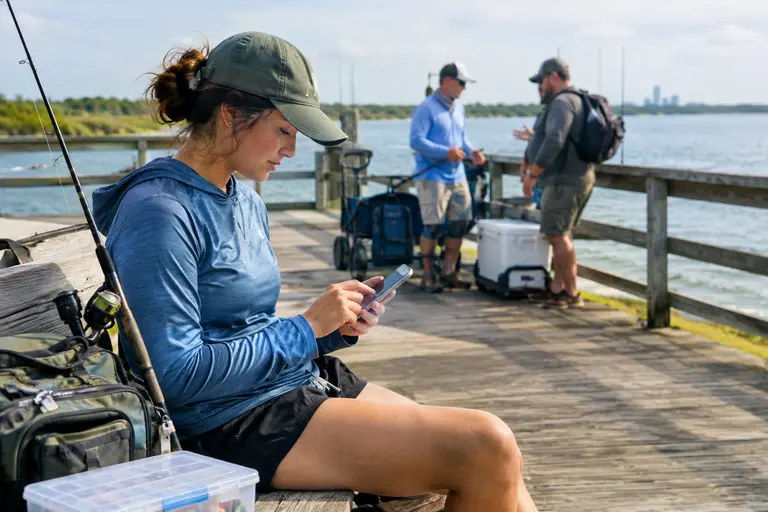
The cleanest adjustment is to build trips around what is open, legal, and practical on that date. During the Texas closure period before December 15, 2026, that meant flounder harvest was off the plan. Anglers could still use the time to scout bottom, check drains, organize tackle, learn current flow, or focus on other legal species where regulations allow.
For communities, clear planning helps reduce confusion. Bait shops can post current dates, guides can brief clients before deposits are made, and clubs can avoid scheduling flounder harvest events inside closed periods. Good communication protects both the resource and the reputation of the local fishing scene.
Support Local Businesses Without Breaking Rules
Anglers can still support fishing towns during closures. Buying tackle for future trips, booking legal multi-species outings, stopping at local restaurants, and using marinas for maintenance all keep money in the community. The key is not pretending the closure is a minor detail. It is a rule that changes the target, the method, and the harvest expectation.
Clubs and tournament organizers should be especially careful. If a closure affects the target species, events should be rescheduled, changed to another legal format, or shifted toward education and conservation work. A well-run local event can still bring people together without encouraging illegal harvest.
Flounder Season Closure Lessons For Fishing Communities
Flounder rules in 2026 showed that local fishing communities need more than good weather and eager anglers. They need shared awareness of dates, limits, release impact, and business realities. A short season can concentrate effort. A closure can move spending. A reopening date can bring a rush of anglers back to ramps, piers, and tackle shops.
The best response is practical and community-minded. Anglers should check current regulations before each trip, handle released fish with care, and be honest with new anglers about what can and cannot be kept. Shops, guides, and clubs can help by making dates easy to understand and steering customers toward legal opportunities.
Flounder fishing will always carry a strong local feel because it connects marsh edges, passes, bays, piers, families, and small businesses. The 2026 closures and limited seasons made one point clear: protecting that connection means respecting the calendar as much as the catch.