
TPWD fishing rule changes drew close attention from Texas anglers because the package reached into real trip-day decisions: bass transport, guided-party limits, flounder closure wording, red drum tagging, red snapper hook rules, and cleanup edits across fisheries regulations. Public comment closed at 5 p.m. on November 4, 2026, and the Texas Parks and Wildlife Commission vote was scheduled for November 5, 2026. Because the supplied research does not include the final vote result, anglers should treat this as a practical read on the proposal package and confirm the final adopted language before relying on it at the ramp, weigh station, marina, or cleaning table.
TPWD fishing rule changes: What Changed In The Angler Conversation
The most useful way to read the package is not as one sweeping fishing overhaul. Based on the research provided, many parts were aimed at cleanup: removing expired language, reducing repeated statutory wording, consolidating fisheries provisions, and making rule text easier to apply. That matters because fishing rules are only helpful if anglers, guides, tournament directors, and wardens can read them the same way on a busy weekend.
The Texas Parks and Wildlife Department’s August 19, 2026 work session materials described fisheries rule work involving Chapters 57 and 58, including changes tied to fish transport, guided fishing, and rule cleanup TPWD work session agenda. For local clubs and high school teams, that kind of cleanup can reduce confusion at check-in, especially when volunteers are trying to apply state rules alongside tournament rules.
For those who follow sports and outdoor updates within the network, FS Golf provides insights on how rules, venues, and local access shape community play. Just like in fishing, clear rules in golf maintain fairness and focus for participants.
Why The Timing Matters After November 5, 2026
The dates matter because this is no longer a live comment-period issue as of November 10, 2026. Anglers had through November 4 to comment, and the Commission vote was scheduled for November 5. Since final action is not confirmed in the supplied research, the safe move for anglers is simple: use the proposal package to understand the direction of the changes, but check the final TPWD rule text before changing harvest, transport, or tagging behavior.
That is especially true for captains, guides, and tournament directors. Their decisions affect more than one cooler or one livewell. A single misunderstanding about personal bag limits or live fish transport can create trouble for a whole group.
Bass Impact: ShareLunker Transport Gets Practical Attention
For bass anglers, the headline item was the proposed ShareLunker transportation exception. Texas rules designed to fight invasive species generally require draining water when a vessel leaves or approaches public freshwater. The proposal created a narrow exception for trophy largemouth bass entered in the ShareLunker program, allowing transport in a livewell with water from the lake where the fish was caught under stated conditions.
Those conditions, based on the research, included draining all other water, taking the most direct route to a TPWD-approved weigh station, and carrying TPWD transport authorization through the ShareLunker app. That is not a casual “keep water in the boat” allowance. It is a purpose-built exception for a specific trophy bass process.
TPWD fishing rule changes For ShareLunker Bass
TPWD fishing rule changes matter here because bass anglers often face a fast decision after landing a fish big enough for ShareLunker consideration. The fish needs care, the livewell needs attention, the angler may be excited, and the rule set still has to be followed. A clear exception helps separate an approved trophy-bass transport from ordinary movement between public waters.
For local bass clubs, this should become part of pre-tournament talk. Anglers should know the difference between normal invasive-species draining requirements and the special ShareLunker path. If final language followed the proposal, the exception was not a broad tournament transport rule; it was tied to a qualifying fish and a TPWD-authorized process.
That distinction protects both the fish and the water body. Trophy bass programs depend on healthy fisheries, and invasive species rules exist because moving water between lakes can create long-term damage. The proposal tried to balance fish care with that public-resource concern.
Guided Trips, Bag Limits, And Cooler Discipline
The guided-trip proposal was less flashy than ShareLunker transport, but it may affect more day-to-day fishing. Under the research summary, existing rules calculate a guided party’s total bag limit by multiplying the number of anglers, excluding the guide or deckhands, by the bag limit. The proposal emphasized that personal bag limits still apply.
In plain fishing-camp terms, one angler cannot keep more than that angler’s own limit just because another person in the boat caught fewer fish. That clarification matters on bay trips, reservoir trips, and family outings where fish may be gathered in one cooler. It also matters for guides who already work hard to manage fish, clients, weather, and safety.
A good practice is to keep fish separated or clearly tracked by angler when limits are close. That is not about making the day stiff or unfriendly. It is about protecting the trip. Clear cooler discipline keeps a strong bite from turning into a compliance problem at the dock.
Texas Sportsmen has also covered how proposals and closures affect anglers in a related rules breakdown on Texas fishing limits, which fits the same practical theme: know the rule before the bite gets hot.
How Guides Can Set Expectations Early
Guides can help by giving a short rule talk before lines go in. That talk can cover personal limits, measuring fish, who is keeping fish, and what happens if the party reaches a limit. Clients usually appreciate clarity when it is framed as part of a good trip rather than a lecture.
For community tournaments or charity fishing days, the same lesson applies. Volunteers should not assume every participant knows how group limits work. A short reminder at registration can prevent confusion later, especially when new anglers are on board.
Coastal Rules: Flounder, Red Drum, And Red Snapper
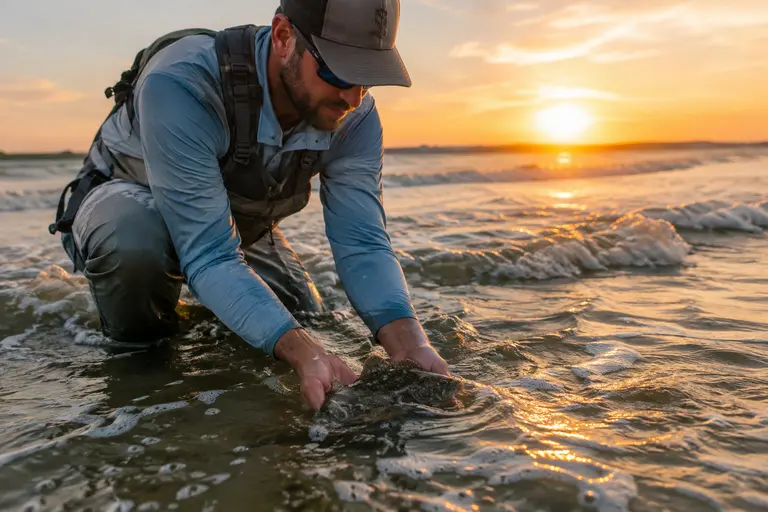
The coastal pieces in the proposal package were mainly clarification items, based on the supplied research. The flounder item retained the permanent fall closure from November 1 through December 14 each year, while removing older expired language and stating the closure directly. That is meaningful because flounder rules have been a major planning point for coastal anglers, guides, and tackle shops.
Red drum language was also reorganized for clarity, not described in the research as an expansion of harvest. The proposal stated that each angler may keep one red drum over the maximum size limit per license year, with one additional over-slot red drum allowed when fishing under a physical license with a Bonus Red Drum Tag, and all such fish requiring proper tagging.
TPWD fishing rule changes around red drum deserve careful reading because over-slot fish draw attention. A big redfish creates excitement, but tags, license type, and annual limits still decide whether it can be retained. Anglers should not rely on dock talk or old memory for that decision.
The red snapper item clarified that natural bait requires circle hooks. As with the other coastal proposals, the supplied research describes this as a clarification rather than a new fishing strategy rule. For anglers moving between state and federal discussions, the best habit is to check the exact rule text before any offshore trip.
- Flounder: the November 1 through December 14 annual closure stayed central in the proposal.
- Red drum: over-slot retention remained tied to license-year limits and proper tagging.
- Red snapper: natural bait use was clarified as requiring circle hooks.
- Guided trips: personal bag limits continued to matter even when group limits were calculated.
Invasive Species And Fisheries Housekeeping
One rule area sits slightly outside the everyday bass-and-redfish conversation but still matters to local waters: dotted duckweed cultivation. The research notes that TPWD adopted amendments on March 26, 2026, to 31 TAC §57.114 and adopted new §57.129. The changes enlarged exclusion zones and added an annual inspection requirement for permitted facilities culturing dotted duckweed, an exotic aquatic plant with invasive risk if it escapes cultivation.
The adopted rules appeared in the Texas Register archive for Title 31, Natural Resources and Conservation Adopted Rules Title 31. While that may sound like a facility issue rather than a Saturday-morning angler issue, plant movement and invasive risk affect access, habitat, and fishable water over time.
That is why the ShareLunker livewell exception should not be read apart from invasive-species policy. Texas fisheries management has to support angling opportunity while limiting the spread of harmful organisms. The proposal package put that tension right in front of bass anglers by allowing a narrow trophy-fish transport process while keeping broader water-draining principles intact.
Community Events Need Rule Clarity
Local fishing events work best when rules are plain before boats launch. Tournament directors can build a short checklist from the proposal themes: personal limits, species closures, tag rules, hook rules, livewell transport, and invasive-species draining. Youth teams, club trails, and benefit tournaments all benefit from the same habit.
TPWD fishing rule changes also create a communication job for marinas and tackle shops. Staff hear questions first, often before anglers read agency materials. Posting date-specific reminders near bait tanks, ramps, and weigh-in areas can help keep the community on the same page.
What TPWD fishing rule changes Mean At The Ramp
The practical takeaway is that the proposal package was less about changing how people fish and more about tightening how rules are read and applied. Bass anglers should pay close attention to the ShareLunker transport exception. Guides should reinforce personal bag limits. Coastal anglers should keep flounder closure dates, red drum tags, and red snapper hook rules straight.
Because the supplied research does not confirm the November 5, 2026 vote outcome, anglers should not treat every proposed sentence as final law without checking TPWD’s final published rules. That caution is not a technicality. It is how responsible anglers protect themselves and the resource.
TPWD fishing rule changes are part of the sport now, just like weather, water level, boat traffic, and fish movement. The anglers who handle them best are usually the ones who prepare before they back down the ramp. Read the rule, talk it through with your crew, keep the trip legal, and let the fishing decide the day.