
Texas is famous for its vast private ranches, high-fence leases, and multi-generational family hunting camps. Because roughly 95 percent of land in the Lone Star State is privately owned, newcomers often assume that quality hunting and fishing require an expensive annual lease or a private boat dock. In reality, Texas maintains one of the most diverse public outdoor networks in the country—spanning more than one million acres of public hunting access, hundreds of public reservoirs, and over 360 miles of Gulf Coast shoreline. For outdoorsmen looking to maximize their time in the field and on the water, Texas Sportsmen highlights the strategies, gear, and regional insights that turn public-access trips into repeatable traditions.
Succeeding on public land and public water in Texas requires a different mindset than hunting a managed private pasture. Pressured whitetails in the Pineywoods, spooky redfish on the shallow flats of the Laguna Madre, and heavily fished bass on Lake Fork all reward preparation, mobility, and respect for seasonal patterns. By understanding how state access permits work, matching your gear to Texas’s distinct ecological regions, and scouting beyond the obvious parking areas, any resident or visiting sportsman can build a full calendar of productive outdoor pursuits.
Understanding Texas Public Hunting Access and Permits
Public hunting in Texas is administered by the Texas Parks and Wildlife Department (TPWD) through a structured system that balances wildlife conservation with hunter opportunity. Rather than a single open-access model, Texas divides public hunting into three primary categories: Annual Public Hunting (APH) Permit lands, Drawn Hunts, and federal properties such as National Forests and National Wildlife Refuges.
The cornerstone for most DIY hunters is the Annual Public Hunting Permit. For a modest annual fee on top of a standard Texas hunting license, the APH permit unlocks access to more than one million acres of Wildlife Management Areas (WMAs), state park public hunting units, and leased private dove and small-game fields across the state. Hunters must also carry the digital or printed Public Hunting Lands Map Booklet, which details exact tract boundaries, legal means and methods, and seasonal open dates for each unit.
For high-demand species—including quality white-tailed deer, mule deer, pronghorn, bighorn sheep, and alligator—TPWD operates a Drawn Hunt system. Applicants submit entries online during designated summer and fall windows, earning loyalty points each year they are not selected. While odds for premium big-game hunts can be steep, many archery deer, feral hog, and youth-only drawn hunts offer far better selection probabilities and give hunters access to lightly pressured state parks and WMAs.
- Wildlife Management Areas (WMAs): Properties such as Sam Houston National Forest, Caddo National Grasslands, and Gus Engeling WMA offer walk-in opportunities for whitetails, feral hogs, squirrels, and waterfowl, though hunters must verify whether a specific unit requires a drawn permit for deer.
- Leased Dove and Small-Game Units: Each autumn, TPWD leases tens of thousands of acres of private agricultural land—primarily in Central, South, and West Texas—giving APH permit holders affordable access to mourning and white-winged dove fields.
- Federal Lands and Corps of Engineers Lakes: U.S. Army Corps of Engineers reservoirs and National Forests provide extensive public shoreline and timber access, often requiring a separate free or low-cost federal hunting permit alongside state credentials.
Matching Your Strategy to Texas’s Ecological Regions
Because Texas spans ten distinct ecoregions—from the dense loblolly pine timber of East Texas to the arid Chihuahuan Desert of the Trans-Pecos—a single hunting or fishing tactic rarely translates statewide. Treating a South Texas brush country hunt like an East Texas hardwood bottomland sit is a fast way to go home empty-handed.
In the Pineywoods and Post Oak Savannah, dense canopy cover and thick understory limit visibility to fifty yards or less. Successful public-land deer hunters rely on mobile hang-and-hunt saddle setups or lightweight climbing treestands, slipping deep along creek drainages and oak ridges where acorns concentrate movement. By contrast, in the Rolling Plains and Panhandle, open terrain and steady winds favor glassing from high vantage points with quality binoculars and planning spot-and-stalk approaches along mesquite draws and dry arroyos.
| Texas Region | Primary Habitat | Top Public Hunting Targets | Premier Public Fisheries |
| Pineywoods (East Texas) | Pine-hardwood forests, bottomland creeks, and cypress reservoirs. | White-tailed deer, feral hogs, squirrels, and wood ducks. | Sam Rayburn Reservoir, Toledo Bend, and Lake Fork (largemouth bass, crappie). |
| Hill Country (Edwards Plateau) | Limestone ridges, live oak mottes, and spring-fed rivers. | White-tailed deer, Rio Grande turkey, and feral hogs (via drawn hunts). | Guadalupe River (rainbow trout), Lake Travis, and Highland Lakes. |
| Gulf Coast & Coastal Prairies | Saltwater marshes, shallow grass flats, and barrier-island bays. | Migratory waterfowl (ducks, geese), sandhill cranes, and teal. | Galveston Bay, Matagorda Bay, and Laguna Madre (redfish, speckled trout, flounder). |
| South Texas Plains | Thornscrub brush country and agricultural corridors. | Mourning and white-winged dove, javelina, and drawn-hunt whitetails. | Falcon Lake and Choke Canyon Reservoir (trophy largemouth bass, catfish). |
Trophy Freshwater Fishing on Public Texas Reservoirs
While public hunting requires careful map work, Texas’s public freshwater fishing is virtually unmatched in scale and accessibility. The state’s major reservoirs—built primarily for flood control and water supply—have matured into some of the most productive largemouth bass, crappie, and catfish fisheries in North America. Lakes such as Lake Fork, Sam Rayburn Reservoir, O.H. Ivie, and Falcon Lake routinely draw anglers from across the nation.
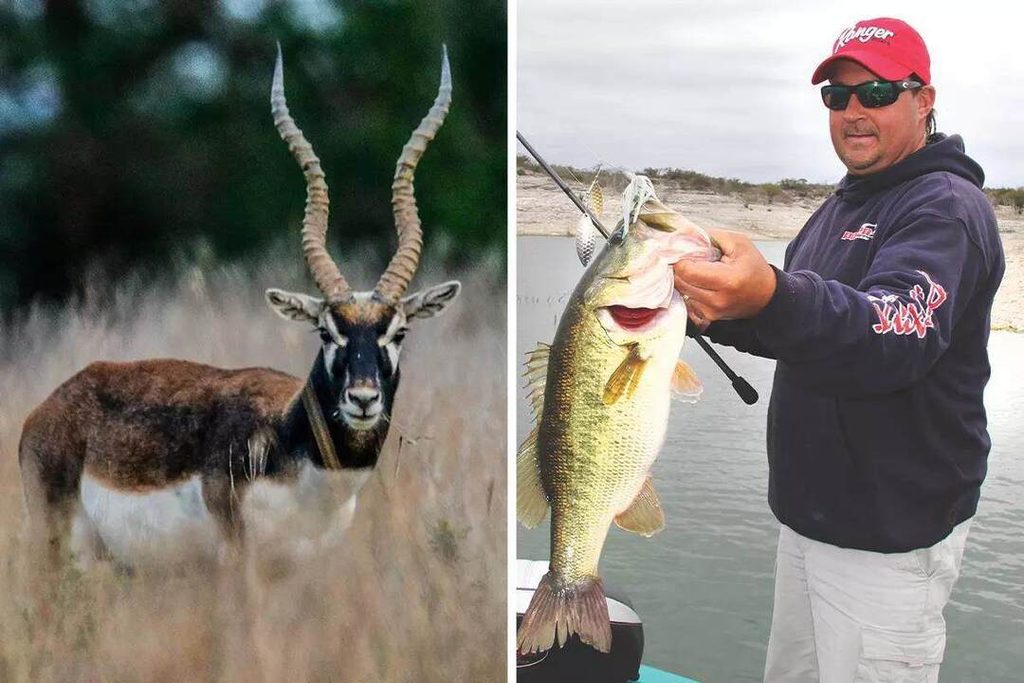
Much of that reputation stems from decades of proactive fisheries management, highlighted by TPWD’s Toyota ShareLunker Program. By partnering with anglers who catch and temporarily loan largemouth bass weighing 13 pounds or more during the spring spawning window, state hatcheries selectively breed Florida-strain genetics and restock public waters across Texas. Even bank anglers and kayak fishermen benefit directly from these stocking efforts, particularly during the late-winter and early-spring pre-spawn when heavy females move into shallow coves, flooded timber, and hydrilla edges.
Beyond bass, Texas’s public lakes offer year-round action for white bass (sand bass) during spring river runs, slab crappie suspended around submerged brush piles in winter, and trophy blue catfish drifting along main-lake river channels. Before launching, anglers should always verify lake-specific slot limits and length regulations on the official TPWD public lands and waters portals, as trophy lakes like Lake Fork enforce strict slot limits designed to protect breeding-class fish.
Saltwater Flats, Jetties, and Coastal Waterfowl
Along the Texas Gulf Coast, public water extends from Sabine Lake near the Louisiana border all the way south to the Lower Laguna Madre near South Padre Island. Unlike many coastal states where shoreline access is heavily restricted, Texas’s Open Beaches Act protects public access to Gulf beaches, while dozens of public boat ramps, kayak launches, and rock jetties put wade-fishermen within reach of red drum (redfish), spotted seatrout, and southern flounder.
Wade-fishing the shallow grass flats of Matagorda, Aransas, or Baffin Bay is one of the most rewarding low-cost pursuits in Texas. Wearing sturdy wading boots to protect against stingrays and oyster shells, anglers can quietly work topwater plugs at dawn or soft-plastic paddletails along submerged potholes as the tide moves. In the fall and winter months, those same coastal marshes become a premier destination for the Central Flyway’s migratory waterfowl, allowing sportsmen to pair a morning duck hunt in a public bay marsh with an afternoon redfish trip—a classic Texas “blast and cast.”
- Respect Tide and Wind Shifts: Coastal fishing and marsh hunting are dictated by wind direction and tidal movement; a strong north front in autumn can push water out of shallow back-bays in hours, stranding boaters who ignore tide charts.
- Practice Clean-Drain-Dry Protocols: Invasive species such as zebra mussels and giant salvinia threaten Texas reservoirs; always drain livewells and bilges and remove vegetation before leaving any public boat ramp.
Building a Year-Round Texas Outdoor Calendar
The true advantage of being a sportsman in Texas is that there is no true off-season. When general whitetail season closes in January, winter crappie fishing and late-season waterfowl hunting are peaking. By February and March, white bass run up Hill Country and East Texas creeks while trophy largemouth bass stage on shallow spawning flats. Spring brings Rio Grande and Eastern turkey seasons alongside warming coastal tides, and summer offers early-morning surf fishing, night catfishing, and scouting for September dove openers.
Success across all four seasons comes down to stewardship and preparation. Obeying bag limits, leaving campsites and boat ramps cleaner than you found them, and completing hunter education and boater safety courses ensure that Texas’s public lands and waters remain open and productive for the next generation. With a map, a license, and a willingness to walk past the first gate, the Lone Star State’s public outdoors offers a lifetime of adventure.