
Texas fishing limits were back in front of anglers after proposed Texas Parks and Wildlife Department rule amendments were published in the Texas Register on October 2, 2026. The public comment period closed at 5 p.m. Central Time on November 4, 2026, and a TPWD Commission meeting was scheduled for November 5, 2026. As of November 6, 2026, the research available for this report did not include a confirmed final vote outcome, so bass anglers should treat the proposals as proposed language until TPWD posts adopted rules.
Why Texas Fishing Limits Matter To Bass Anglers
Texas Fishing Limits Timeline
The timing matters because many bass clubs, high school teams, guides, and weekend anglers build their calendars around legal harvest rules, live-release formats, weigh-in logistics, and lake-specific exceptions. The proposed amendments were published on October 2, 2026, in the Texas Register, with the comment window ending on November 4 and the TPWD Commission meeting scheduled for November 5, according to the Texas Register filing.
For bass anglers, the biggest practical point was not a broad reset of statewide black bass harvest. The clearest bass-specific proposal in the research centered on ShareLunker transport language for trophy largemouth bass. That matters because the ShareLunker program sits at the intersection of conservation, tournament culture, lake pride, and local angling identity across Texas.
What Was Still Unconfirmed On November 6
The November 5, 2026, meeting date had already passed by the date of this article. The research supplied for this report did not confirm whether the TPWD Commission adopted, changed, delayed, or rejected the amendments. That is not a small detail. Anglers should not change live-well transport habits, tournament instructions, or club rules based only on proposed language. The practical play is to keep following current posted regulations until TPWD publishes final adopted text.
That caution is especially useful for directors of bass events. If a rule affects fish possession, transport, weighing, or release, the safe approach is to write event instructions from official, current TPWD rule pages rather than from a proposal notice. Local clubs can still study the proposals now, but the final check needs to happen before the first boat leaves the ramp.
The Bass Rules That Did Not Change In Research
Statewide Black Bass Baseline
The research did not show a proposed statewide change to the core black bass bag structure. TPWD’s current freshwater table lists black bass at a daily bag limit of five fish in any combination. It lists a 14-inch minimum length for largemouth and smallmouth bass, while Alabama, Guadalupe, and spotted bass have no statewide minimum length unless a special waterbody rule applies, according to TPWD’s freshwater bag and length limits.
That baseline is where every bass angler should start before checking lake-level exceptions. Texas is full of reservoirs where slot limits, special length rules, or local management goals can change how a legal fish is handled. For tournament anglers, that means the printed rules for an event should match both statewide rules and any special regulation for the water being fished.
For a related rules primer on harvest and movement of fish, Texas Sportsmen has also covered Texas fishing limits and live transport rules for anglers who want the trip-planning angle in one place.
ShareLunker Transport Language
The proposed ShareLunker exception is the bass item that should draw the most attention from serious trophy hunters. The proposal would allow participants in the ShareLunker program to transport a live fish in a live well when there is no approved weigh station on the lake where the fish was caught, provided all other water in the vessel is drained and the fish is taken by the most direct route to a TPWD-approved weigh station.
That language is narrow. It was not written as a general permission slip to move live bass from lake to lake. It was tied to ShareLunker participation, trophy largemouth bass handling, lack of an approved weigh station on the capture lake, drained vessel water, and direct transport. For the bass community, the proposal recognized a real field problem: trophy fish need careful handling, but disease and invasive species protections still matter.
Guide Boats, Club Tournaments, And Community Lakes
Guided Trips And Boat Limits
The proposals also clarified how personal bag limits and guided boat limits work. The research states that personal bag limits continue to apply to individual anglers on guided boats. For a guided fishing party, the boat limit is calculated by taking the number of licensed or exempt anglers, subtracting the guide and guide’s deckhand, and multiplying that number by the daily bag limit for the species.
For bass guides, the message is straightforward: clients still carry their own legal responsibility, and the guide’s presence does not create extra harvest capacity. That is useful for enforcement, but it also helps at the dock. A guide who explains the limit formula before the first cast reduces confusion later, especially on mixed-species trips where bass, catfish, or striped bass could all enter the conversation.
Community trust is part of the sport. Local fishing depends on anglers believing the rules are applied fairly, whether someone is in a wrapped tournament boat, a guide boat, a kayak, or standing on a neighborhood bank.
Community Fishing Lakes
The research also points to proposed changes for Community Fishing Lakes, which are public impoundments of 75 acres or less located within city limits or public parks. The proposal described in the research would remove existing special exceptions for blue and channel catfish and apply a consistent rule: a daily bag limit of five fish across all species combined, with one black bass of at least 14 inches.
For bass anglers, that CFL language is not just a small-pond footnote. These waters are where many young anglers catch their first bass, where after-work bank anglers get a short session, and where city recreation programs can host simple fishing events without the expense of a major reservoir trip. A one-black-bass structure can keep harvest simple while still leaving room for catch-and-release fishing.
Community sports habits often overlap. The same families who spend Saturdays at ballfields may spend Sunday evenings at a park pond. Readers who follow grassroots sports culture through sites such as baseball coverage in the same network will recognize the same pattern: clear rules make local events easier to run and easier for families to understand.
How Anglers Should Respond At The Ramp
For Tournament Directors
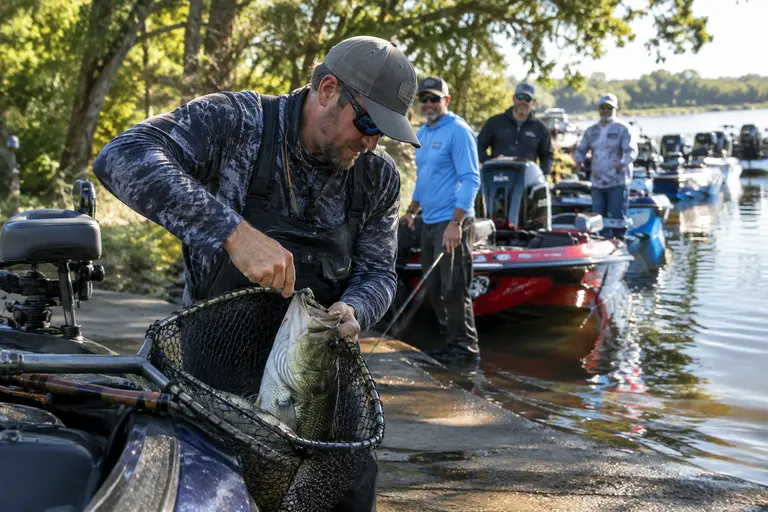
Bass tournament directors should use the proposal period as a prompt to audit event language. That means checking rules on live transport, weigh-in procedures, off-site scales, fish care, culling instructions, and any lake-specific length rule. If a club fishes multiple reservoirs, each event page should state the governing rules for that lake rather than relying on a generic statewide line.
The ShareLunker proposal also creates a teaching point. If an angler catches a qualifying trophy fish during a club event, the director should know who contacts TPWD, where the approved weigh station is, and how the fish can be handled under current law. Those details need to be settled before a big fish is in a live well.
For Weekend Anglers
Weekend anglers can keep the response simple: check the TPWD freshwater limits before fishing, read posted signs at the access point, and keep measuring tools in the boat or tackle bag. A quick rules check is not red tape; it is part of being ready. The same preparation that puts the right rod, line, and lure on deck should include knowing which fish can be kept.
For families and bank anglers, the Community Fishing Lake proposals deserve special attention once final rules are posted. Those lakes are often close to home, easy to visit, and popular with new anglers. If the proposed structure becomes final, the five-fish combined daily bag and one black bass provision would need to be understood before a cooler ever comes out of the truck.
Texas Fishing Limits And The Bass Takeaway
Texas fishing limits are not just paperwork for bass anglers. They shape how tournaments are run, how guides brief clients, how ShareLunker fish are handled, and how city ponds serve local families. The October 2, 2026, proposal package was broad, but the bass community should focus on the parts that touch black bass harvest, trophy fish transport, guided trips, and Community Fishing Lakes.
The key fact on November 6, 2026, is that the public comment period had closed and the TPWD Commission meeting had been scheduled for the day before, but the research here did not confirm final action. Until TPWD posts the adopted rule text, anglers should keep following current regulations and treat the proposal language as a planning signal rather than a new rulebook.
That is the responsible sportsman’s approach: fish hard, protect the resource, run clean events, and make sure every angler at the ramp understands the rule before the first cast.