
As of November 7, 2026, Texas Youth Tournaments have moved past a busy October youth stretch and into a schedule that now points families toward college division stops, regional championship planning, and the June 2027 state championship window. That matters for young anglers because the calendar is not just a list of dates. It shapes practice time, travel budgets, school coordination, boat-captain availability, and the steady development that turns a junior or high school team into a more prepared tournament crew.
Why Texas Youth Tournaments Matter After October
Texas Youth Tournaments And October Lessons
The October youth schedule has already been completed. The Southeast Region Stop #2 was held on Saturday, October 17, 2026, at Toledo Bend, launching from Sabinetown, while the Central Region Stop #2 was held the same day at Lake Whitney from Lofer’s Bend. Texas B.A.S.S. Nation Youth also listed two October 24, 2026, events: the Northeast Region Stop #2 at Lake Lavon from Collin Park Marina and the Northwest Region Stop #2 at Possum Kingdom from South D&D, BRA #4, according to the official October schedule.
Those four completed stops gave families a clear look at how spread out the regional format can be. One weekend put Toledo Bend and Lake Whitney in focus. The next weekend shifted attention to Lake Lavon and Possum Kingdom. That kind of schedule rewards teams that can prepare for different fisheries instead of relying on one home-lake pattern.
What The October Stops Showed Families
The confirmed October slate did not provide results in the research notes, so the best read is schedule-based rather than standings-based. Still, the structure says plenty. Young anglers had to manage practice habits, ramp routines, tackle choices, and family logistics across multiple regions. For parents and boat captains, those details are part of the competitive experience. A youth event begins well before takeoff, with batteries charged, rods sorted, safety gear checked, and travel plans settled.
For Texas Youth Tournaments, October also served as a reminder that regional events are community events. Ramps, marinas, parks, and nearby small businesses all become part of the tournament day. Even without published catch totals in the supplied research, the schedule itself shows a statewide network working to give young anglers organized chances to compete.
College Division Dates Give Older Anglers A Path
Lake Waco Starts The College Slate
The next confirmed event in the research is College Division Stop #1 on Saturday, November 21, 2026, at Lake Waco, launching from Twin Bridges Park. That date is close enough that college teams should already be treating preparation as event-specific. Lake Waco starts the college schedule with a central location and a late-November timing window that can challenge teams to adjust from fall habits into colder-water decision-making.
The college division matters because it gives older anglers a competitive bridge after youth and high school fishing. It keeps students connected to bass fishing while they are balancing classes, travel, team commitments, and budget limits. For communities, that bridge keeps fishing families active past the high school level.
Winter Travel Spreads Across Different Fisheries
After Lake Waco, the confirmed college slate moves to Sam Rayburn on Saturday, December 12, 2026, launching from Cassels Boykin. Stop #3 is set for Sunday, January 31, 2027, at Lake Texoma from Denison Dam ramp. Stop #4 follows on Sunday, February 28, 2027, at O.H. Ivie from Elm Creek Marina. The College Division Championship is scheduled for Friday and Saturday, April 2-3, 2027, with the location listed as to be announced in the research.
| Division Event | Date | Confirmed Location |
|---|---|---|
| College Stop #1 | November 21, 2026 | Lake Waco, Twin Bridges Park |
| College Stop #2 | December 12, 2026 | Sam Rayburn, Cassels Boykin |
| College Stop #3 | January 31, 2027 | Lake Texoma, Denison Dam ramp |
| College Stop #4 | February 28, 2027 | O.H. Ivie, Elm Creek Marina |
| College Championship | April 2-3, 2027 | To Be Announced |
That run of lakes will ask teams to prepare for different water, different travel demands, and changing seasonal patterns. Sam Rayburn is not Lake Texoma. O.H. Ivie is not Lake Waco. Even without confirmed field sizes or standings in the supplied research, the schedule alone suggests that adaptable teams will be better positioned than teams built around one narrow pattern.
Championship Dates Anchor Family Planning
Regional And State Dates
The youth side has two major future dates confirmed in the research notes. The Youth Northeast Region Regional Championship is scheduled for Saturday and Sunday, May 1-2, 2027. The 2026-2027 Youth Season State Championship for all youth regions is scheduled for June 9-11, 2027. Those dates give families a target beyond individual fall stops.
For young anglers, a championship date changes the way a season feels. It gives teams a reason to track progress, keep notes, and evaluate decisions after each event. A missed bite, a late adjustment, or a productive practice stretch can all become part of the season file.
Why Venue Certainty Matters
Location details are not confirmed in the supplied research for every championship item, so families should avoid filling in gaps with assumptions. The College Division Championship location is listed as to be announced, and the research notes do not provide a venue for the youth state championship. That uncertainty affects lodging, boat travel, fuel budgeting, and pre-practice plans.
What is confirmed is still useful. Date certainty lets school clubs, parents, and captains block calendars. It also lets teams plan fundraiser windows and equipment checks. For Texas Youth Tournaments, that kind of planning is often what separates a stressful week from a focused tournament trip.
Community Support Around The Schedule
Boat Captains, Schools, And Local Parks
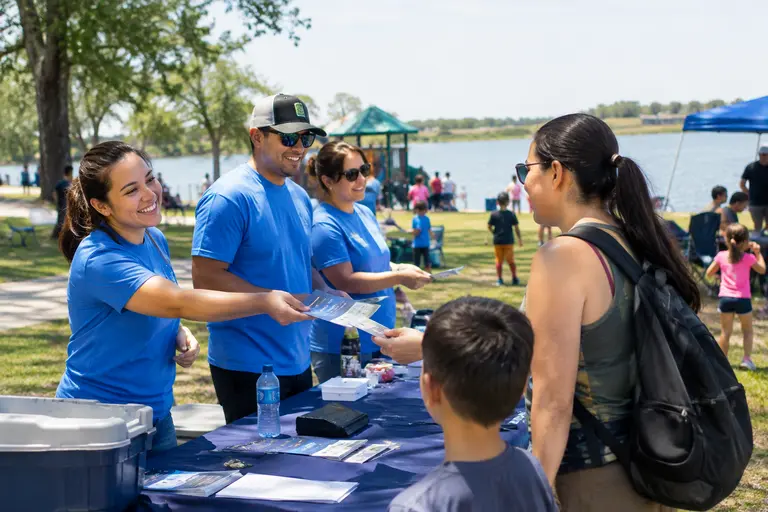
Youth bass fishing depends on more than anglers. Boat captains, parents, school sponsors, parks, marina staff, and local volunteers all help make tournament days work. A schedule that touches Toledo Bend, Lake Whitney, Lake Lavon, Possum Kingdom, Lake Waco, Sam Rayburn, Lake Texoma, and O.H. Ivie brings those local groups into the same wider fishing network.
That support shows up in simple but meaningful ways: safe launch routines, organized weigh-in areas, patient instruction at the ramp, and adults who help young anglers learn how to compete with respect. For families working through costs, the same planning mindset applies off the water. Texas Sportsmen has covered related youth fundraiser planning for teams trying to handle entry fees, travel, and season duties.
Skills Beyond The Weigh-In
The community value of youth tournaments is not limited to who brings in the best bag. Students learn time management, communication, fish care, weather awareness, and how to stay composed after a tough day. Those habits matter in a sport where one decision can change a tournament, but a season is built through repeated preparation.
There is also a natural connection between fishing clubs and hands-on education. Students who learn boat setup, electronics basics, trailer maintenance, lure modification, or school shop projects often build practical skills around the sport. For readers interested in technical education and design work linked to student programs, CAD/CAM Net provides insight into related maker and design topics.
What Texas Youth Tournaments Mean For Young Anglers
A Clear Competitive Ladder
The confirmed schedule gives young anglers a clear ladder: completed fall youth regional stops, college events beginning on November 21, 2026, spring championship dates, and the June 9-11, 2027, youth state championship window. Not every detail is confirmed in the supplied research, especially some championship locations, but the date structure is strong enough for families to plan responsibly.
The key for anglers is to treat each event as part of a longer development path. A junior angler learning boat position at Lake Whitney may later become a high school competitor preparing for Lake Lavon, then a college angler trying to solve Sam Rayburn or O.H. Ivie. The fishery changes, but the discipline carries forward.
Why The Calendar Still Matters Most
For coaches, captains, and parents, the calendar is the first piece of tournament preparation. It tells a team when to practice, when to travel, when to fundraise, and when to rest. It also helps local communities prepare for the extra activity that tournament weekends bring to ramps and parks.
Texas Youth Tournaments are at their best when the sport stays organized, safe, and centered on young anglers. The dates now on the board give families enough structure to prepare while leaving room for official updates where locations have not been announced. That is the right balance for a youth fishing season still building toward its biggest 2027 dates.