
Winter fishing strategy starts with one simple habit: checking the rule book before the boat leaves the ramp or the bank rods come out. Cold weather changes fish behavior, but regulation changes can change the plan just as much. As of November 14, 2026, the clearest confirmed updates in the provided research involve Massachusetts scup rules beginning on November 15, 2026, and federal sablefish trip-limit changes that took effect through a September 29, 2026, rule notice. Those updates do not tell every angler what to catch, but they do show why winter planning has to account for commercial pressure, bait supply, harvest limits, and local compliance.
Winter Fishing Strategy Starts With The Rule Book
What Winter Fishing Strategy Means For Crews
A strong winter fishing strategy is not only about deeper holes, slower retrieves, or timing a bite around sun-warmed afternoons. It is also about knowing whether the fishery you are targeting has a changed limit, a seasonal closure, or a commercial adjustment that can affect availability at the dock and behavior on the water.
That matters for recreational anglers, tournament teams, charter captains, and local fishing clubs because winter trips often involve tighter windows. A cold front can cut a weekend short. A bait shortage can change the rigging table. A new size or possession rule can turn a keeper into a quick release. The best anglers I know do not treat regulations as paperwork. They treat them as part of the scouting report.
Massachusetts offers a timely example. The state listed a Winter II commercial scup limit of 12,000 pounds for state waters beginning November 15, 2026, according to the state’s 2026 advisories. That is a commercial limit, so a recreational angler should not confuse it with a personal bag rule. Still, commercial rules can influence what anglers see around ports, fish houses, bait discussions, and local effort.
Why Commercial Rules Still Matter To Recreational Anglers
Many recreational anglers focus only on bag limits, size slots, and open seasons. Those are the right first checks. Yet commercial changes can still shape the fishing day in practical ways. If commercial harvest is capped differently during a winter period, it may affect how much pressure is placed on a species in certain waters. It may also change what local tackle shops and dockside businesses talk about as the season moves through colder weather.
For scup anglers in or near Massachusetts waters, the lesson is direct: check the latest state advisory before planning a harvest-focused trip. For anglers outside that region, the same habit applies. Do not assume last winter’s limit is still the current limit. Local agencies can update seasons, possession rules, or commercial advisories on specific dates, and those dates matter.
Commercial Rule Changes Can Still Shape Recreational Trips
Sablefish Limits Show The Timing Issue
On September 29, 2026, NOAA adjusted sablefish trip limits off part of the Pacific Coast between latitude 40°10′ N and 36° N. The rule set limited-entry commercial limits at 7,000 pounds per week with a maximum of 14,000 pounds per two months, and open-access commercial limits at 5,000 pounds per week with a maximum of 10,000 pounds per two months, according to the Federal Register.
Those are commercial trip limits, not a recreational free pass or a recreational closure. Still, for winter anglers who fish in coastal communities where commercial and recreational activity overlap, the rule is worth knowing. Dock activity, seafood availability, and angler attention can all be influenced by commercial limits. A recreational crew does not need to copy commercial patterns, but it should understand what is changing around the fishery.
This is where winter fishing strategy becomes a community habit. Local captains, tackle shop owners, weigh-in volunteers, and club officers all benefit when anglers can separate commercial rules from recreational rules. That prevents bad ramp talk from becoming bad decisions on the water. If a rule applies only to commercial trip limits, say so. If a rule changes recreational harvest, measure fish and plan coolers around that rule.
How To Read A Rule Change Without Overreacting
Not every rule change demands a full reset. Some changes should lead to a smaller adjustment: a different target species, a shorter harvest plan, more release gear, or a call to the local agency before leaving home. The key is to identify what the rule actually governs.
- Species: Confirm the exact species named in the rule, not just the common name used at the dock.
- Water: Check whether the rule applies to state waters, federal waters, tidal rivers, bays, inland lakes, or a defined stretch of coast.
- User group: Separate commercial trip limits from recreational bag and size rules.
- Date: Use the effective date, not the date someone shared the update in a group chat.
- Gear: Look for hook, lure, or tackle requirements before rigging rods.
That checklist keeps the sports side clean. It protects the fishery, keeps events fair, and helps local anglers avoid mistakes that can spoil a good winter day.
Cold-Season Planning For Clubs And Weekend Anglers
Community Events Need Clear Rule Briefings
Winter club outings and local jackpots often depend on trust. Anglers need to know that everyone is fishing the same legal standard. If a club holds a cold-season event, the pre-event briefing should include the current rule set for the target species and waters. That does not require drama. It can be as simple as pointing anglers to the agency advisory, naming the date, and explaining whether the rule affects harvest, gear, or reporting.
Texas Sportsmen readers have already seen how rule timing can affect local planning through state-level coverage such as TPWD fishing rule changes. The same approach works anywhere: start with the official rule, then build the fishing plan around it.
For families and weekend anglers, the winter routine should be just as clear. Before buying bait, check whether the target fish has a closure or a new size rule. Before packing a cooler, confirm the possession limit. Before setting hooks, make sure the rig matches any gear rules that apply. That is not red tape. That is part of responsible sport fishing.
Bait, Access, And Local Business Planning
Regulation updates can also affect how anglers support local businesses. If commercial limits or seasonal rules change, bait shops and marinas may adjust what they stock or how they advise customers. Anglers who call ahead help those businesses serve the community better, especially during winter when customer traffic can be uneven.
For broader coverage of powersports related to outdoor access and equipment, Triple T Powersports is an associated network site that caters to regional sports enthusiasts. However, for fishing-specific planning, the primary focus remains on following the official rule that applies to the water you’re fishing.
Gear Checks Before The First Hard Cold Front
Release Gear Belongs In The Winter Kit
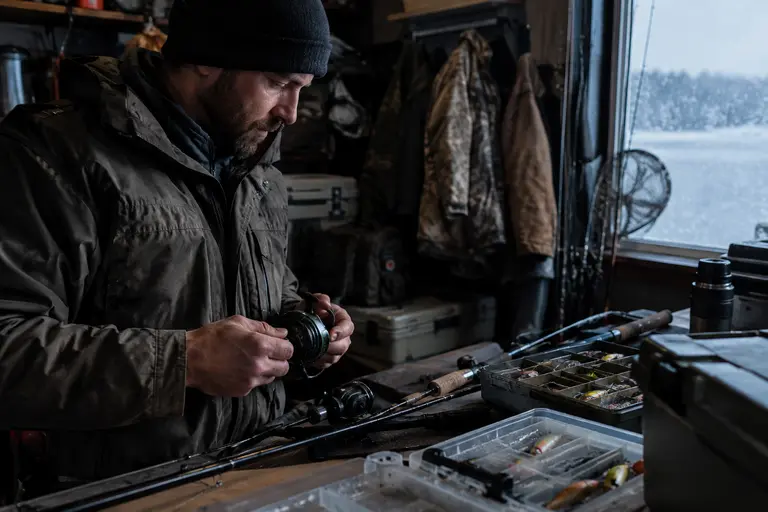
Even when a rule change does not ban harvest, winter anglers should carry release tools. Cold hands make handling harder. Short feeding windows can make anglers rush. A simple kit with measuring gear, pliers, a dehooker, and a way to revive fish beside the boat or bank can prevent mistakes. If your winter fishing strategy includes species that may fall outside the legal slot, release gear is not optional.
The same applies to tackle. If a state or water body has hook restrictions, lure material limits, or seasonal gear rules, check those before tying leaders. The research provided for this assignment included several state-specific changes beyond the two official source links used here, but anglers should verify those with the relevant state agency before changing harvest plans. That is especially true for winter trips across state lines, where one river system or coastal run can cross more than one rule set.
Do Not Let Old Habits Set The Limit
Old habits catch fish, but they can also create compliance trouble. A slot limit from last winter, a captain’s memory from a prior season, or a dock rumor can be wrong after a rule update. The safest approach is to make regulation checks part of the same routine as charging batteries, checking tire pressure, and packing rain gear.
A good winter fishing strategy also respects the people sharing the water. If a buddy is using an old size limit, correct it calmly. If a new angler is unsure about a species, help identify it before it goes in the cooler. Local fishing culture gets stronger when experienced anglers teach compliance as part of the sport, not as an afterthought.
Winter Fishing Strategy For Cold-Season Compliance
The practical takeaway is simple: winter rules deserve the same attention as winter patterns. Confirmed changes in Massachusetts scup limits and Pacific Coast sablefish trip limits show how specific dates and user groups can shape the season. Some updates affect commercial harvest. Others may affect recreational bag limits, size limits, closures, or gear. Anglers need to know the difference before they fish.
For competitive anglers, that means building rule checks into pre-event preparation. For families, it means checking the agency page before keeping fish. For local clubs, it means giving clear briefings so everyone fishes under the same standard. A winter fishing strategy that combines fish behavior, legal limits, and community responsibility is the one most likely to hold up when the weather turns sharp and the bite gets narrow.